
The internet makes it easy to find advice about almost anything, from organizing a home to improving daily habits. The challenge is deciding which information is useful, which claims deserve further checking, and which suggestions actually work in real life.
BetterThisFacts info from BetterThisWorld is a search phrase associated with practical knowledge, lifestyle guidance, and everyday tips. The BetterThisFacts website describes its focus as practical knowledge, lifestyle insights, and home improvement ideas.
Readers can explore these topics for inspiration while learning to distinguish helpful suggestions from claims that need stronger evidence.
This guide explains what the website offers, how to use its content effectively, and how to assess online information before putting it into practice.
What Is BetterThisFacts?
BetterThisFacts is an online website that publishes articles about everyday knowledge, lifestyle improvements, cleaning, home organization, and do-it-yourself projects. Its stated purpose is to make information accessible and useful for readers who want practical ideas for their daily lives.
Rather than treating every article as a definitive source, readers should consider the subject, the evidence provided, and the experience required to apply a recommendation safely.
The idea behind BetterThisFacts info from BetterThisWorld is relevant to readers looking for straightforward explanations instead of complicated terminology. Practical content is most valuable when it explains a problem clearly, offers a reasonable solution, and acknowledges limitations where necessary.
For example, a guide to organizing a small room can offer useful storage suggestions. However, a claim that a particular product removes every type of stain requires more specific evidence.
What Topics Can Readers Explore?
The website’s stated focus includes several areas that connect directly with daily life. Understanding these categories can help readers find information that matches their needs.
Home Improvement and Organization
Home improvement does not always require a major renovation. Sometimes, small changes can make a room more comfortable and functional.
Articles on storage, furniture arrangement, cleaning routines, and household organization can help readers spot practical improvements. Someone working with a limited budget might start by rearranging existing furniture or finding better uses for unused storage space.
Before following a renovation suggestion, consider the materials involved, the cost, and whether the work requires professional assistance. Electrical repairs, structural changes, and certain plumbing tasks may require a qualified professional.
Cleaning and Household Tips
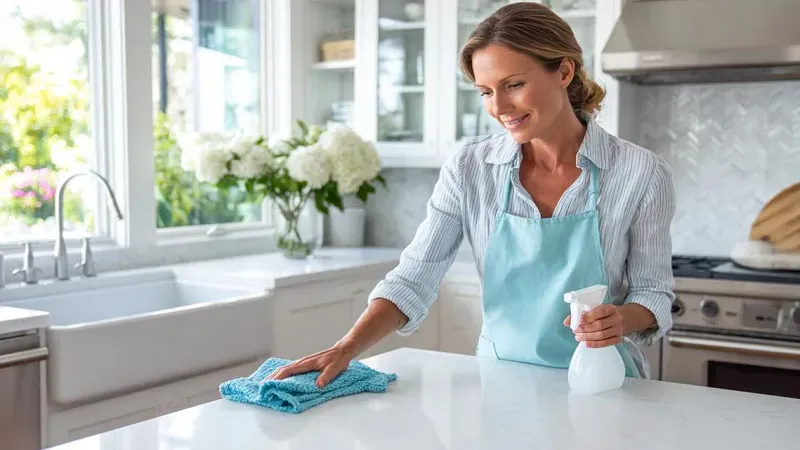
Cleaning advice is useful when it explains which method suits a particular surface or material. A suggestion that works for glass might damage natural stone, wood, or a delicate finish.
Readers should check product labels and manufacturer instructions before mixing cleaning products or trying unfamiliar methods. Never mix bleach with ammonia or acidic cleaners, as dangerous gases can result.
A useful household guide should explain not only what to do but also what to avoid.
Lifestyle and Daily Habits
Lifestyle articles often cover routines, productivity, time management, and ways to simplify everyday responsibilities.
These topics can help readers identify habits that are worth testing. For example, preparing a short task list the night before may make the following morning easier to organize.
However, a strategy that suits one person may not work equally well for everyone. Readers should adapt suggestions to their schedules, responsibilities, and circumstances instead of assuming that one routine guarantees success.
DIY Projects and Creative Ideas

Do-it-yourself projects can help readers personalize their living spaces, reuse materials, and explore creative interests.
Before starting a project, estimate its cost, identify the necessary tools, and review the safety instructions. A simple decorative project may be suitable for beginners, while work involving electrical systems, power tools, or structural components may require training or professional support.
How to Evaluate Online Information
Finding an article is only the first step. Readers also need a practical way to judge whether its information deserves their trust.
The following method works for lifestyle advice, household recommendations, educational content, and many other everyday topics.
Check the Original Source
Look for links to original research, official guidance, product documentation, or statements from the relevant organization.
If an article makes a scientific claim, check whether it references a credible study or recognized public institution. If it discusses a product, consult the manufacturer’s documentation and compare it with independent information where possible.
A website’s confident tone does not establish that its claims have been independently verified.
Look for Dates and Context
Some advice remains useful for years, while other information quickly becomes outdated.
A basic organizing method may not need frequent revision. Information about product safety, software features, regulations, or current prices may need a recent source.
Pay attention to publication dates, update dates, geographic context, and any conditions attached to a recommendation.
Separate Facts From Opinions
A factual statement can often be checked against a source. An opinion expresses a judgment or preference. A recommendation combines information with a suggested action.
For example, the statement that a room has limited storage space is an observation. Calling one storage arrangement the best option is a judgment that depends on the room, budget, and personal needs.
This distinction helps readers understand what an article establishes and what remains a matter of preference.
Compare More Than One Reliable Source
When a claim could affect health, finances, home safety, or an expensive purchase, consult more than one credible source.
Independent agreement can increase confidence, particularly when sources rely on primary evidence. However, several websites repeating the same unsupported claim do not count as independent verification.
This approach is especially important when evaluating BetterThisFacts info from BetterThisWorld or any other online resource that presents advice as factual information.
How to Apply Practical Advice in Everyday Life
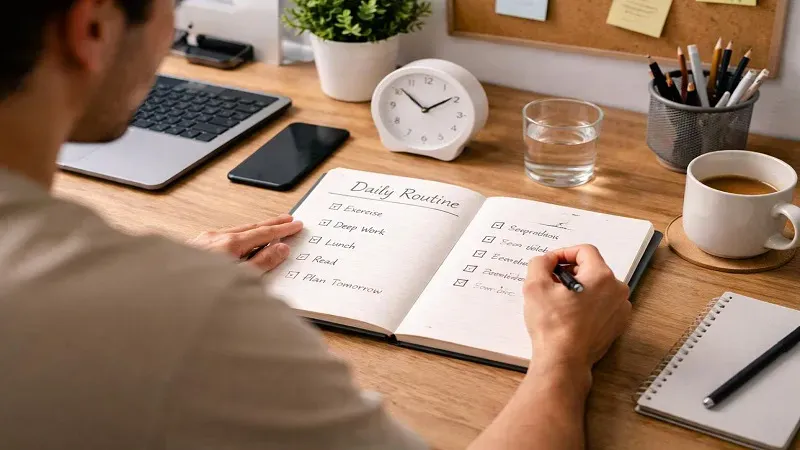
Information becomes more useful when readers can translate it into a realistic action.
Start by identifying a specific problem. Instead of searching for general ways to improve a home, decide whether the immediate concern is clutter, poor lighting, limited storage, or a difficult cleaning routine.
Next, look for advice that addresses that problem directly. Compare the proposed solution with your available time, budget, skills, and space.
Try low-risk changes first. If an organizing method does not help, adjust it rather than continuing simply because an article recommended it.
Finally, evaluate the result. Did the change save time? Was it affordable? Did it solve the original problem without creating another one?
This process turns reading into practical learning. It also helps readers avoid spending money on products or methods they do not actually need.
What Makes an Online Information Resource Useful?
A helpful website should make it easy for readers to understand a subject and decide what to do next. Several qualities can contribute to that experience.
| Quality | What readers should look for |
|---|---|
| Clarity | Explanations use understandable language and define unfamiliar terms. |
| Evidence | Important factual claims include sources that readers can check. |
| Practical value | Recommendations address a specific problem or need. |
| Transparency | Authors, limitations, and relevant qualifications are clear. |
| Current information | Time-sensitive details include appropriate dates and updates. |
| Safety | Instructions explain meaningful risks and when professional help is appropriate. |
These are useful evaluation criteria, not a claim that every article on any particular website meets them.
Google’s published guidance similarly encourages content that is helpful, reliable, created for people, and supported by appropriate expertise and sourcing.
For readers, the main lesson is straightforward: assess the quality of the individual article rather than relying exclusively on a website’s name or description.
Common Mistakes to Avoid When Reading Online Advice
One common mistake is accepting a statement because it appears in several search results. Websites can repeat one another, and repetition alone does not prove accuracy.
Another is following a recommendation without checking whether it applies to the situation. A cleaning technique suitable for one material might damage another, while a home improvement idea designed for a large room may not suit a small apartment.
Readers should also be cautious of promises that sound absolute. Claims that a simple trick always works, guarantees a particular result, or replaces professional advice deserve closer scrutiny.
Finally, avoid confusing a useful idea with a verified fact. An article may provide a reasonable suggestion without proving that the method works for everyone.
When exploring BetterThisFacts info from BetterThisWorld, these checks can help readers benefit from practical ideas without automatically accepting every statement as established evidence.
How BetterThisFacts Can Support Smarter Daily Decisions
Everyday decisions often involve balancing convenience, cost, effort, and safety. Clear information can make that process easier, provided readers apply it thoughtfully.
For instance, someone looking to improve household organization can compare several storage methods, measure the available space, and determine which option fits the budget. A reader interested in cleaning can check the surface manufacturer’s instructions before selecting a product.
The same principle applies to lifestyle advice. A new routine can be tested on a small scale before becoming part of a regular schedule.
Readers who use BetterThisFacts info from BetterThisWorld as a starting point for exploration can develop a more deliberate approach to finding and applying information. The most useful outcome is not simply remembering an interesting tip. It is learning how to evaluate a suggestion, adapt it to a real situation, and determine whether it helped.
How to Get More Value From Every Article
A few simple reading habits can make online research more effective.
First, identify the main question the article answers. This prevents unrelated information from distracting you from the original problem.
Second, look for practical details. Clear instructions, realistic costs, limitations, and safety considerations are generally more useful than broad promises.
Third, follow the original sources whenever a claim matters. An article that links to a government publication, official manual, or original study gives readers a route to examine the underlying evidence.
Fourth, keep track of what works for your circumstances. A short note about the method used, its cost, and the result can help you make better decisions next time.
Finally, recognize when a topic requires specialist knowledge. General online guidance can help you understand a problem, but it should not replace qualified professional advice when the consequences of an error are significant.
Conclusion
Practical online information can help people organize their homes, improve routines, explore creative projects, and solve ordinary problems. Its value depends on how clearly the advice is explained and how carefully readers assess its reliability.
BetterThisFacts info from BetterThisWorld is a useful search topic for readers exploring the BetterThisFacts website and its stated focus on everyday knowledge, lifestyle insights, and home improvement. The best approach is to treat individual articles as starting points, verify important claims, and apply recommendations according to your own needs.
A reliable information habit is simple: understand the claim, check the evidence, consider the risks, and evaluate the result. These steps help turn online reading into informed, practical decisions.
Additional practical checklist
Before acting on information found online, ask yourself three questions: Is the claim supported by a reliable source? Does the recommendation fit my situation? Can I test it safely and evaluate the outcome?
These questions provide a consistent way to assess BetterThisFacts info from BetterThisWorld and similar resources without treating every online suggestion as a proven solution.
A reader who follows this process can use BetterThisFacts info from BetterThisWorld to explore useful ideas while remaining responsible about evidence, personal circumstances, and safety.
Frequently asked questions
What is BetterThisFacts?
BetterThisFacts is a website focused on practical knowledge, lifestyle insights, home improvement, cleaning advice, and everyday ideas. Its published About Us page describes these areas as part of its purpose.
What does the search phrase mean?
The phrase refers to searches for information associated with BetterThisFacts and BetterThisWorld. Searchers may want to understand the website, discover its topics, or find practical everyday advice.
What topics does BetterThisFacts cover?
The website describes content related to home improvement, household organization, cleaning, lifestyle guidance, and DIY projects. Readers should check the current website for its latest categories and articles.
Can readers trust everything they find online?
No website should be treated as automatically correct. Readers should examine the evidence behind important claims, check publication dates, and consult original or authoritative sources when accuracy matters.
How can readers verify a factual claim?
Identify the original claim, find the source it relies on, check the date and context, and compare it with independent, reliable evidence. For safety-critical topics, consult the relevant official guidance or a qualified professional.
Is BetterThisFacts only about home improvement?
Its stated focus includes home improvement and practical household topics, alongside broader lifestyle insights. The precise range of published content may change over time.
How can readers apply online tips effectively?
Choose a specific problem, review the proposed solution, consider its cost and risks, and test an appropriate low-risk change. Evaluate whether the result actually improves the situation.
Why are sources important in informational articles?
Sources help readers trace claims back to the underlying evidence. They also make it easier to identify outdated information, understand limitations, and distinguish facts from opinions. See More